Common AC Myths: What Actually Works

You’ve probably heard something like this: “Close the vents in rooms you don’t use to save money” or “Turn your AC down really low and it’ll cool faster.” These sound logical. They make sense in theory. But they’re wrong—and they might be costing you money and comfort right now.
Still not sure what works with your AC? Call 919-864-0824 or contact Salmon’s Heating and Air to talk through your cooling questions.
People trust what they’ve heard from friends, neighbors, or one article they read five years ago. The problem is that AC systems don’t work the way most people think they do. Here are the myths that cost homeowners the most.
Myth #1: Closing Vents in Unused Rooms Saves Money
This is the biggest one. People think: If nobody’s in that bedroom, why cool it? Just close the vent.
Here’s what actually happens: Your AC system is designed to move air through all the ducts. When you close vents, you’re not stopping your system from cooling that room—you’re creating back pressure in the ductwork. Your system has to work harder to push air through the remaining open vents. The closed ductwork traps air and forces your compressor to run longer and with more strain.
The reality: Your cooling costs go up. Your system wears out faster. You feel less cool in the rooms you did want cooled.
What works: Keep all vents open. If you want to cool some rooms less, close interior doors instead. This lets your system work efficiently while you control where the air goes.
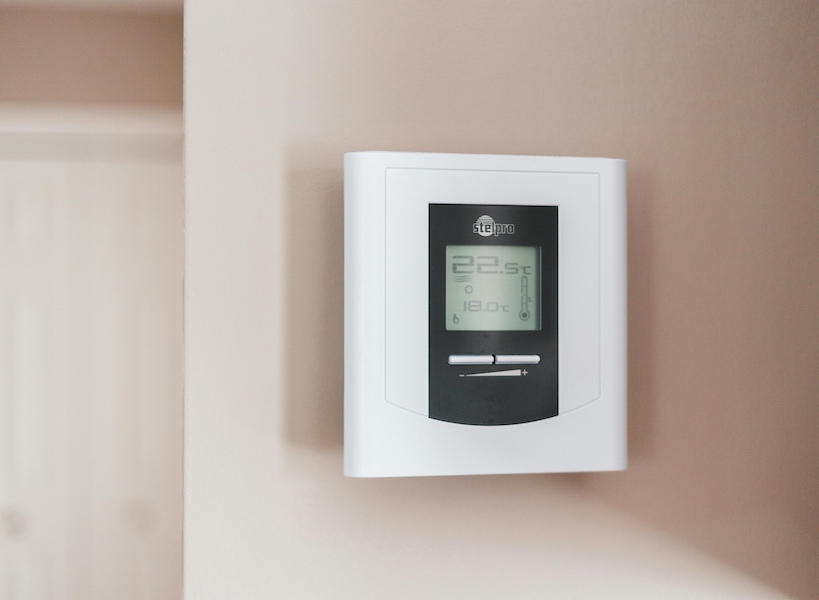
Myth #2: Turning the Thermostat Down Really Low Cools Your House Faster
You’re hot. You want cool air now. So you set the thermostat to 62°F thinking your AC will blast cold air and cool everything down in minutes.
It won’t. Your AC system has one speed. It’s not like your car engine that can rev up. A thermostat doesn’t control how cold the air is—it just tells your system when to turn on and off. Setting it to 62°F instead of 72°F doesn’t make it cool faster. It just runs longer and costs more.
The reality: You’ll waste energy and money for the same cooling time.
What works: Set your thermostat to the temperature you want and leave it there. Your system will reach that temperature at the same rate whether you set it to 70°F or 62°F. If you’re impatient for cool air, our maintenance service can make sure your system is running at peak efficiency so it cools as fast as possible.
Myth #3: Regular Maintenance Isn’t Necessary If the System Works Fine
Your AC is running. It’s cooling. Why spend money on maintenance if nothing’s broken?
This is like not changing your car’s oil because the engine still runs. Your system is working, but it might be working 30-50% harder than it should be. Dirty coils, low refrigerant, loose connections—none of these stop your system from running. They just make it inefficient.
The reality: You’re paying 30-50% more in cooling costs than you should. And you’re one compressor failure away from a $3,000+ repair that could have been prevented with a $150 tune-up.
What works: Get a professional maintenance visit once a year, ideally before summer. A technician cleans your coils, checks refrigerant levels, tightens electrical connections, and tests system performance. This prevents breakdowns and keeps your energy bills normal.
Myth #4: Bigger AC Units Cool Faster
You think if a 3-ton unit isn’t keeping up, a 5-ton unit will crush it. So you upgrade.
Wrong. A bigger unit doesn’t cool faster—it just cools more area. And when an AC unit is oversized for your space, it short-cycles: it runs briefly, the house gets cold, it turns off, then cycles on again. This constant on-off switching uses more energy and doesn’t dehumidify properly. You end up with a cold, clammy house.
The reality: An oversized unit wastes energy and leaves your house feeling uncomfortable.
What works: The right size is determined by your square footage, insulation, and window exposure. A proper load calculation tells you exactly what your house needs—not a guess. If your current system isn’t cooling well, the problem is usually a dirty filter, blocked vents, ductwork leaks, or low refrigerant. Fix those first.
Myth #5: Running Your AC Constantly Uses Less Energy Than Turning It Off
You think: If I turn my AC off during the day and let the house get hot, it’ll take forever to cool back down at night. So I should just leave it running.
This makes intuitive sense but it’s backwards. Your house doesn’t cool down if your system isn’t running. Every hour your AC is off, your house gets hotter and stores that heat in walls, furniture, and air. When you turn the system back on, it has to pull all that heat out. You’re not saving time or energy—you’re creating a bigger cooling job.
The reality: Running your AC constantly when nobody’s home costs more than cycling it intelligently.
What works: Use a programmable thermostat. Set it higher (82°F) when you’re away, then lower (72°F) before you come home. Your system will cool efficiently without wasting energy on an empty house. If you upgrade to a smart thermostat, you can control it from your phone and adjust on the fly.
In Closing
AC myths persist because they sound logical. But your system doesn’t work the way you think it does. The good news is that once you understand how it actually works, managing your cooling costs becomes simple: keep your filter clean, keep your vents open, run your thermostat intelligently, and get a tune-up once a year.
Do those things and you’ll save money, stay comfortable, and avoid expensive repairs. Ignore them and you’ll spend a lot more for mediocre cooling.
Ready to talk about how to actually optimize your AC? Call 919-864-0824 or contact Salmon’s Heating and Air. We can walk through which myths you’re falling for and what’s actually going on with your system. We serve Durham, Burlington, Hillsborough, Haw River, and Mebane.
Recent Comments