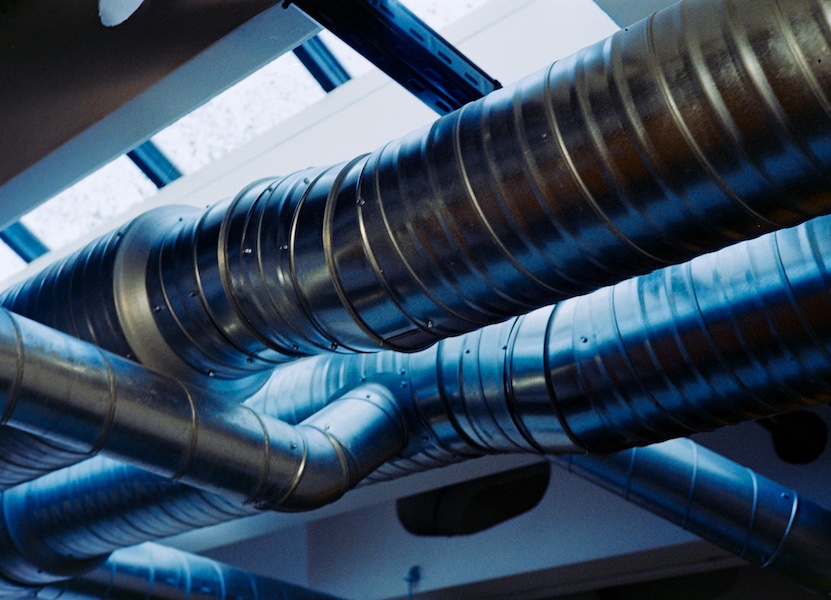
HVAC Ductwork: Common Problems and Solutions

You’re cooling the basement. Your upstairs is too cold. Some rooms never seem to get the temperature you set. The problem isn’t your AC system—it’s your ductwork.
Most people never think about their ducts. They’re hidden behind walls and in attics. But if your system isn’t cooling evenly, your ducts are usually the culprit.
Having trouble with uneven cooling? Call 919-864-0824 or contact Salmon’s Heating and Air for a ductwork inspection.
Here are the common problems and what actually fixes them.
Leaking Ducts: The #1 Problem
Your ducts carry cool air through your house. If they leak, that air escapes into walls, attics, or crawl spaces before reaching your rooms.
A typical ductwork system loses 15-30% of its air through leaks. That’s why your AC runs constantly and you still don’t feel cool.
How to spot it:
- Rooms far from your unit never get cool
- Certain vents blow weak air
- Your system runs non-stop but can’t reach temperature
- Your electric bill is higher than it should be
How to fix it:
A technician uses a smoke test or thermal camera to find leaks. Small leaks get sealed with duct tape or mastic sealant. Large leaks might require duct replacement.
A duct sealing job is moderately priced and can save you 20% on cooling costs—paying for itself over time. The Department of Energy recommends regular duct maintenance. Our ductwork service includes inspection, sealing, and replacement options.
Disconnected or Damaged Ducts
Sometimes ducts come loose from vibration, age, or poor installation. Sometimes rodents chew through duct insulation or make holes.
A section of ductwork is supposed to be connected to the next section with screws or clamps. Over 20+ years, vibration loosens those connections.
How to spot it:
- One area of your house completely loses cool air
- You see visible damage or gaps when looking in your attic
- You hear rattling noises in the walls when your system runs
How to fix it:
A technician reseals or replaces the damaged section. If rodents are involved, you need pest control too.
The good news: Once it’s fixed, it usually stays fixed.
Ductwork Sizing Issues
Some systems have ducts that are too small for the amount of air they’re trying to move. Think of it like trying to pour a gallon of water through a straw. You lose pressure and efficiency.
This usually happens with older installations or DIY modifications.
How to spot it:
- Weak airflow from all vents simultaneously
- Your system works harder but cools less
- High-velocity noise from vents
How to fix it:
The proper fix is upsizing the ductwork, which is quite expensive. A workaround is installing a more powerful blower, which is moderately priced and provides most of the benefit.
Poor Ductwork Layout
Some systems have ducts routed inefficiently—long runs with lots of bends, or ducts that have to fight gravity to get upstairs.
Inefficient layout reduces airflow and increases cooling time.
How to spot it:
- Some rooms take 15 minutes to cool while others are instant
- Upstairs is always harder to cool than downstairs
- Your air return is very far from your equipment
How to fix it:
Redesigning ductwork is a major renovation with significant expense. Instead, you can install a zone damping system that automatically controls which ducts get airflow, balancing temperatures across zones at a much more reasonable cost.
Insulation Problems
Ducts in unconditioned spaces (attics, crawl spaces, outside walls) should be insulated. If the insulation is damaged or missing, you lose cooling.
How to spot it:
- Ducts you can see in your attic have gaps or missing insulation
- Ducts feel hot when you touch them (they should feel cool)
How to fix it:
A technician adds or replaces insulation at a reasonable cost. It’s an affordable improvement that saves cooling costs.
Air Leaks at Connections
Even without major leaks, small gaps at connection points add up. Supply registers, return grilles, and joints all can leak.
How to spot it:
- You find it during a professional duct test
- Your system seems to work, but cooling costs are high
How to fix it:
Sealing all connections with mastic or duct sealant is moderately priced and is usually part of a professional duct sealing job.
Getting a Professional Diagnosis
Don’t guess. Have Salmon’s Heating and Air do a duct inspection as part of our duct and dryer cleaning service. A technician will:
- Check for visible damage or disconnections in accessible areas
- Perform an airflow test at each vent
- Use advanced diagnostic tools to measure leakage and performance
- Recommend fixes by priority
A professional inspection tells you exactly what’s wrong and what it will take to fix it.
In Closing
Your ductwork is as important as your AC unit. Leaky or damaged ducts force your system to work twice as hard and cost you hundreds on your electric bill. Most problems are fixable for $300-600—a fraction of what you’ll waste on energy in a year.
Take time to get a professional duct inspection. You might discover that fixing your ducts is the best money you spend on your home.
Ready to improve your cooling? Call 919-864-0824 for a ductwork inspection, or contact Salmon’s Heating and Air. We serve Durham, Burlington, Hillsborough, Haw River, and Mebane.
Recent Comments